PAWTNER
Product Design (Case Study) / 2026
Tools [ Figma ]
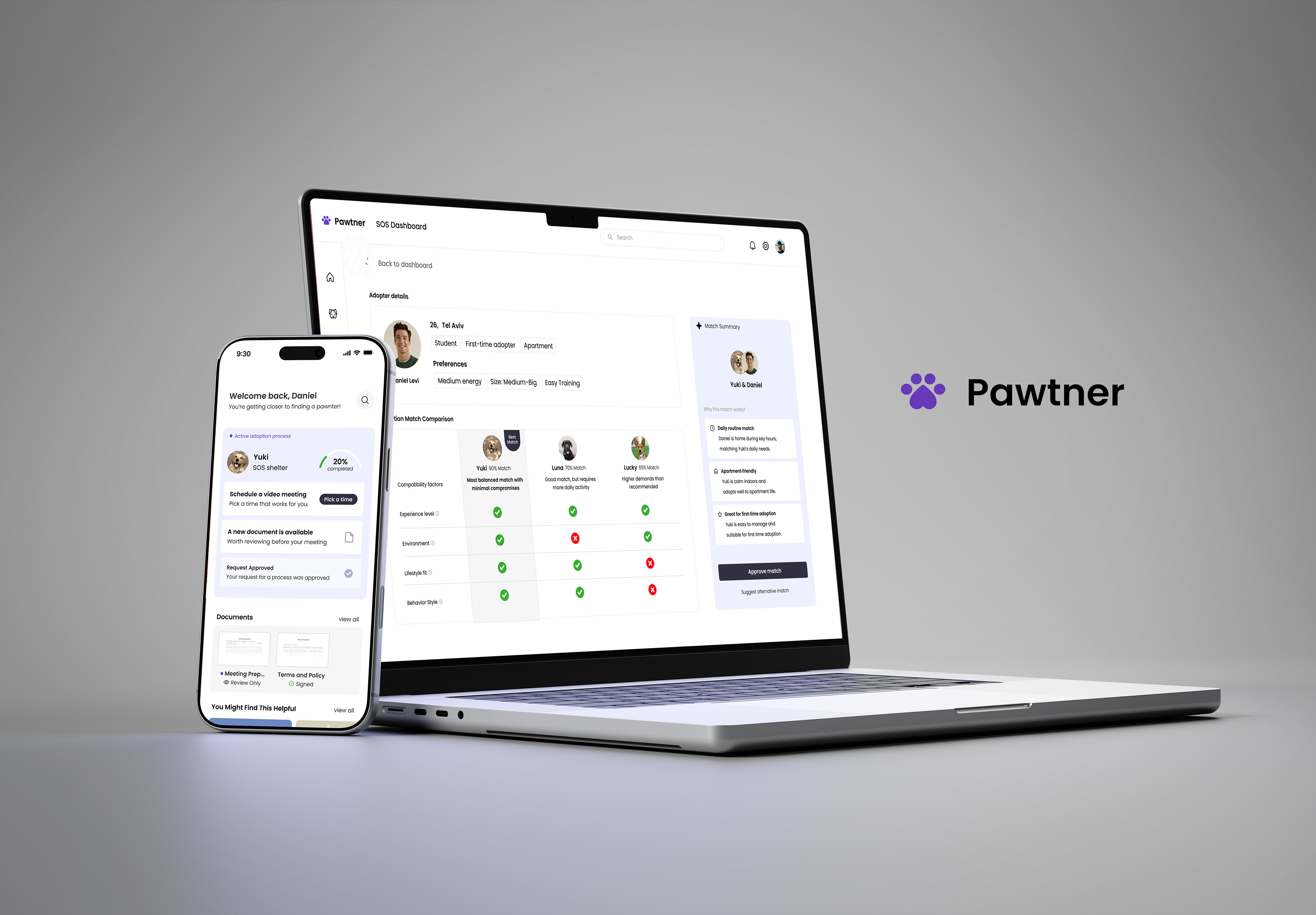
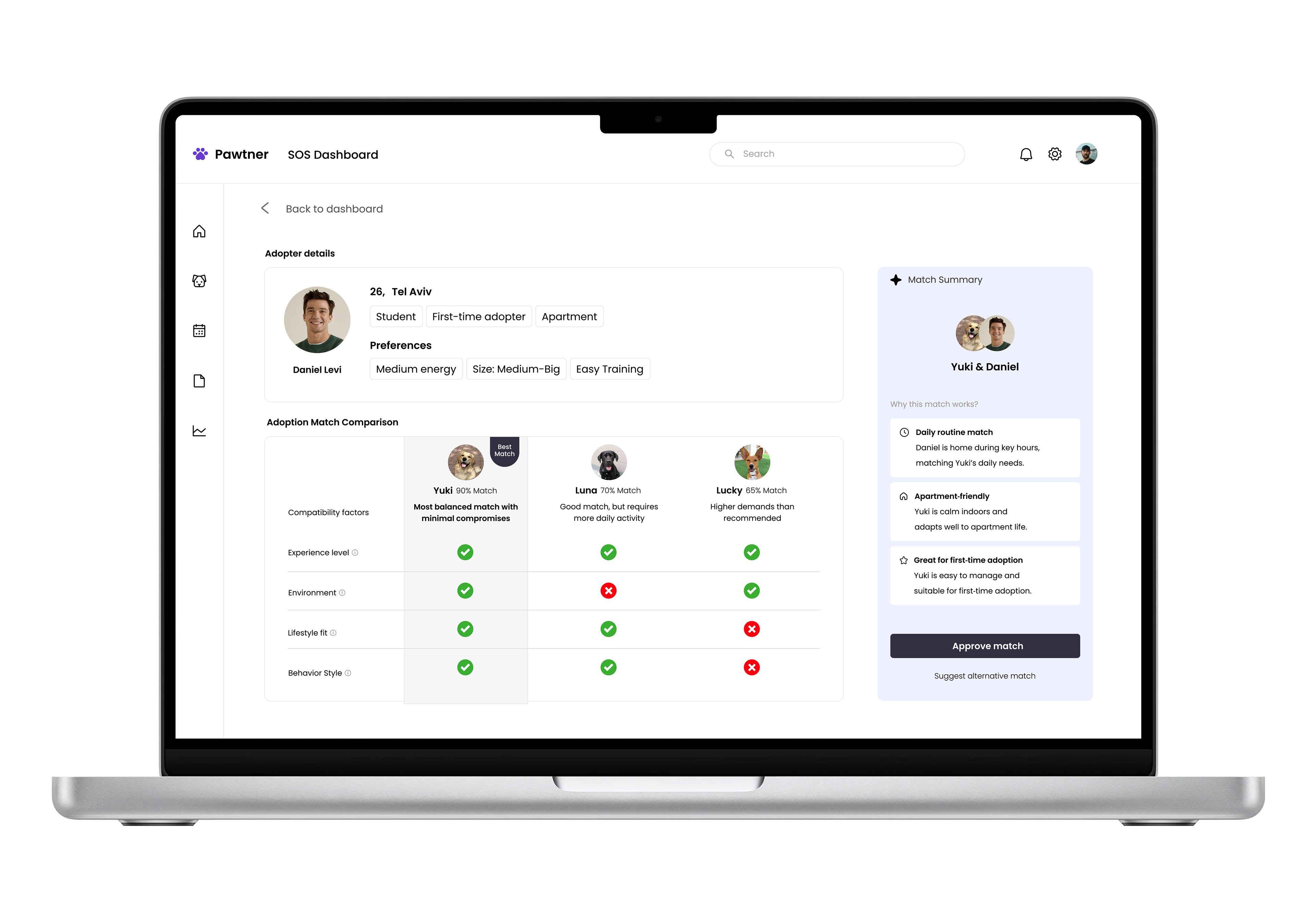
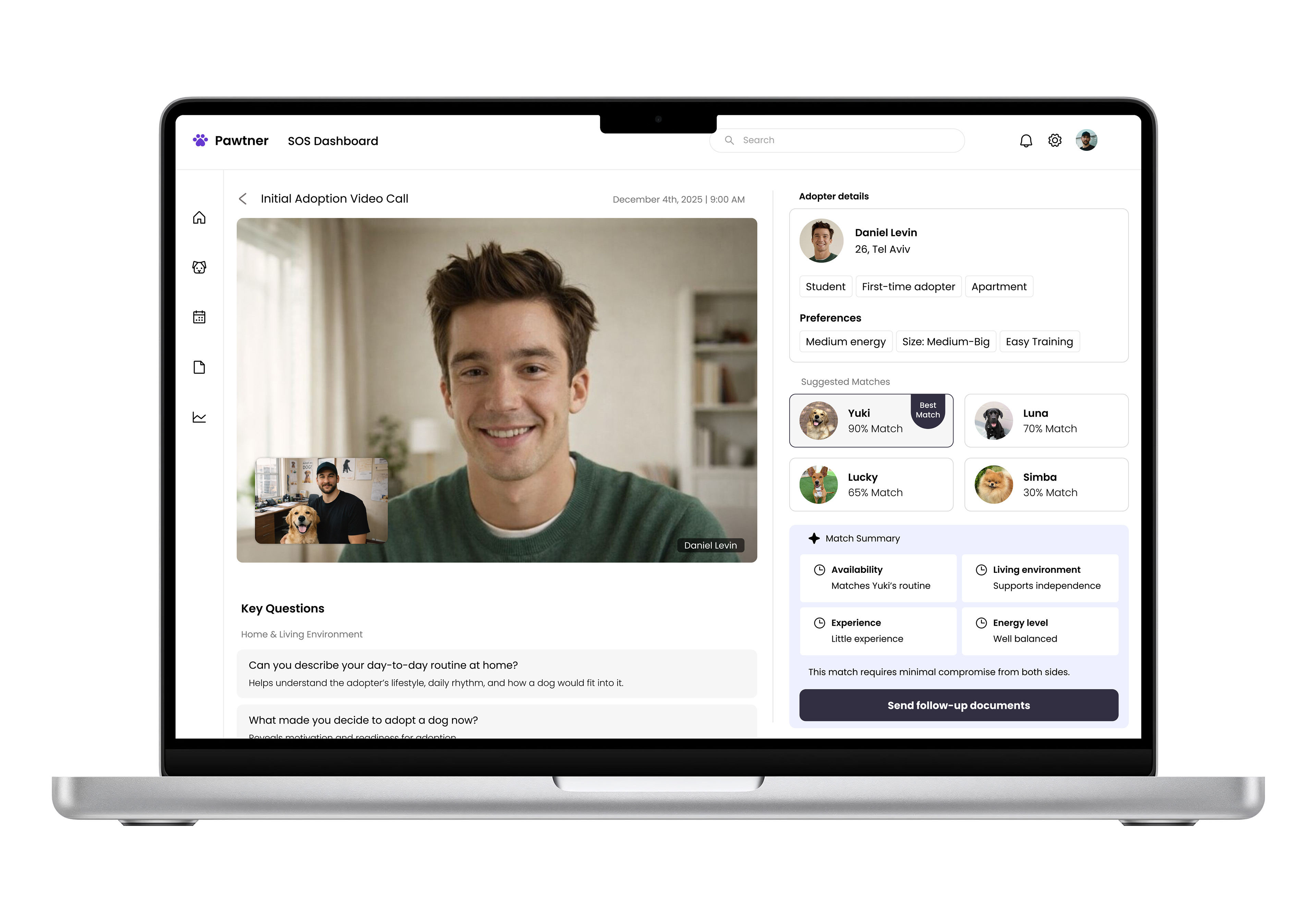
The system supports the dog adoption process by helping potential adopters make informed decisions and enabling organizations to manage the process more effectively. It brings together all the key information and steps in one place, creating a clearer experience and supporting better long-term outcomes for both sides.
the problem
Adopting a dog is an emotional decision, yet the process itself is often fragmented and unclear. Information is spread across different platforms and organizations, making it hard to follow the full journey. Potential adopters struggle to understand real compatibility, while shelters deal with many repeated or unfocused inquiries. The core issue is not just confusion, but the absence of a clear, shared process that helps both sides move forward with confidence.
the solution
Transforming the adoption process into a clear and shared journey for both adopters and shelters. It introduces a structured flow with defined steps, gives users real-time visibility into their application status, and improves matching based on true compatibility. By centralizing communication and key information, the system reduces uncertainty and supports more confident decisions on both sides.
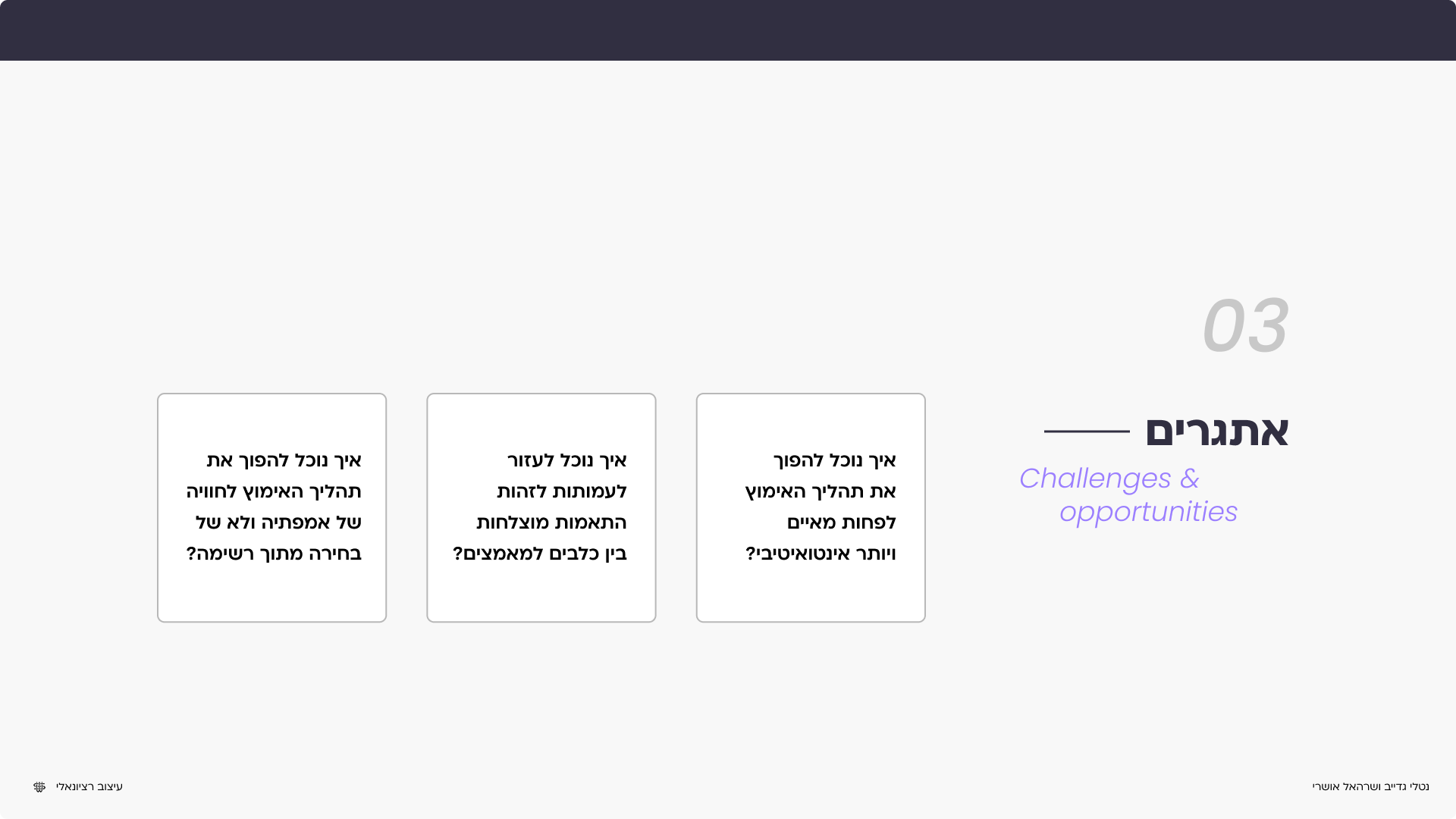
How might we turn the adoption process into a clear and guided journey?
How might we help adopters make confident, informed decisions?
How might we enable shelters to manage requests more efficiently?
How might we help adopters make confident, informed decisions?
How might we enable shelters to manage requests more efficiently?
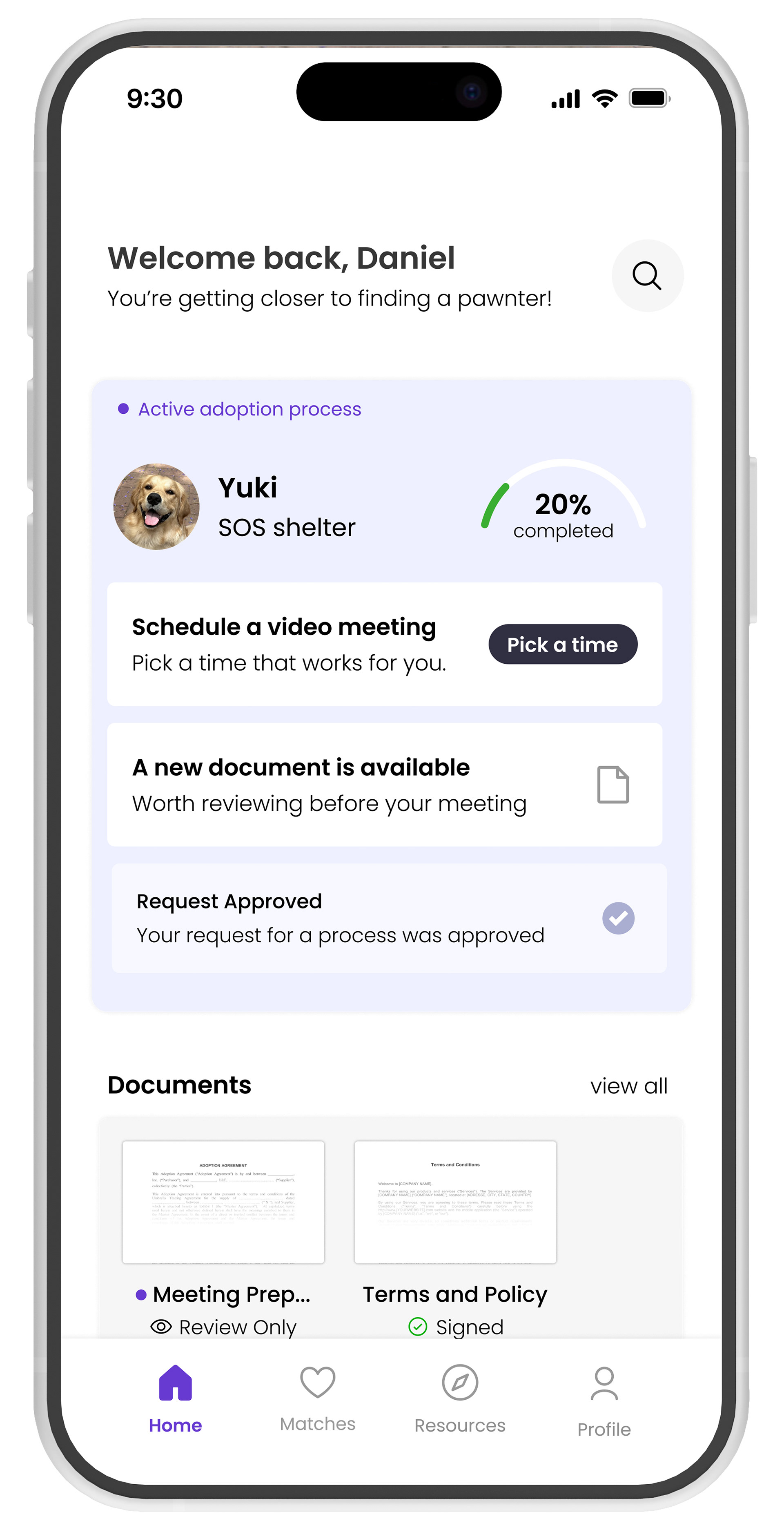
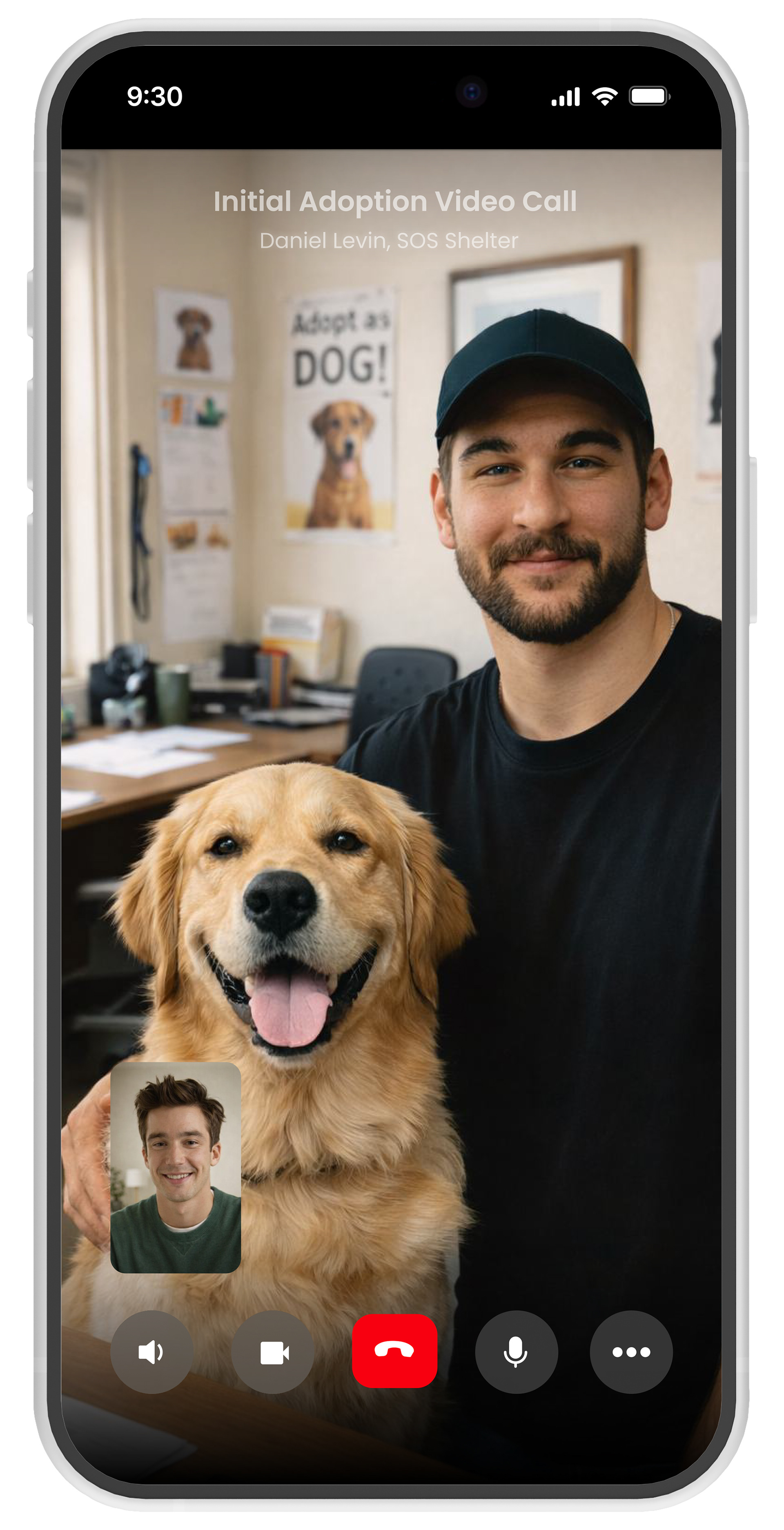
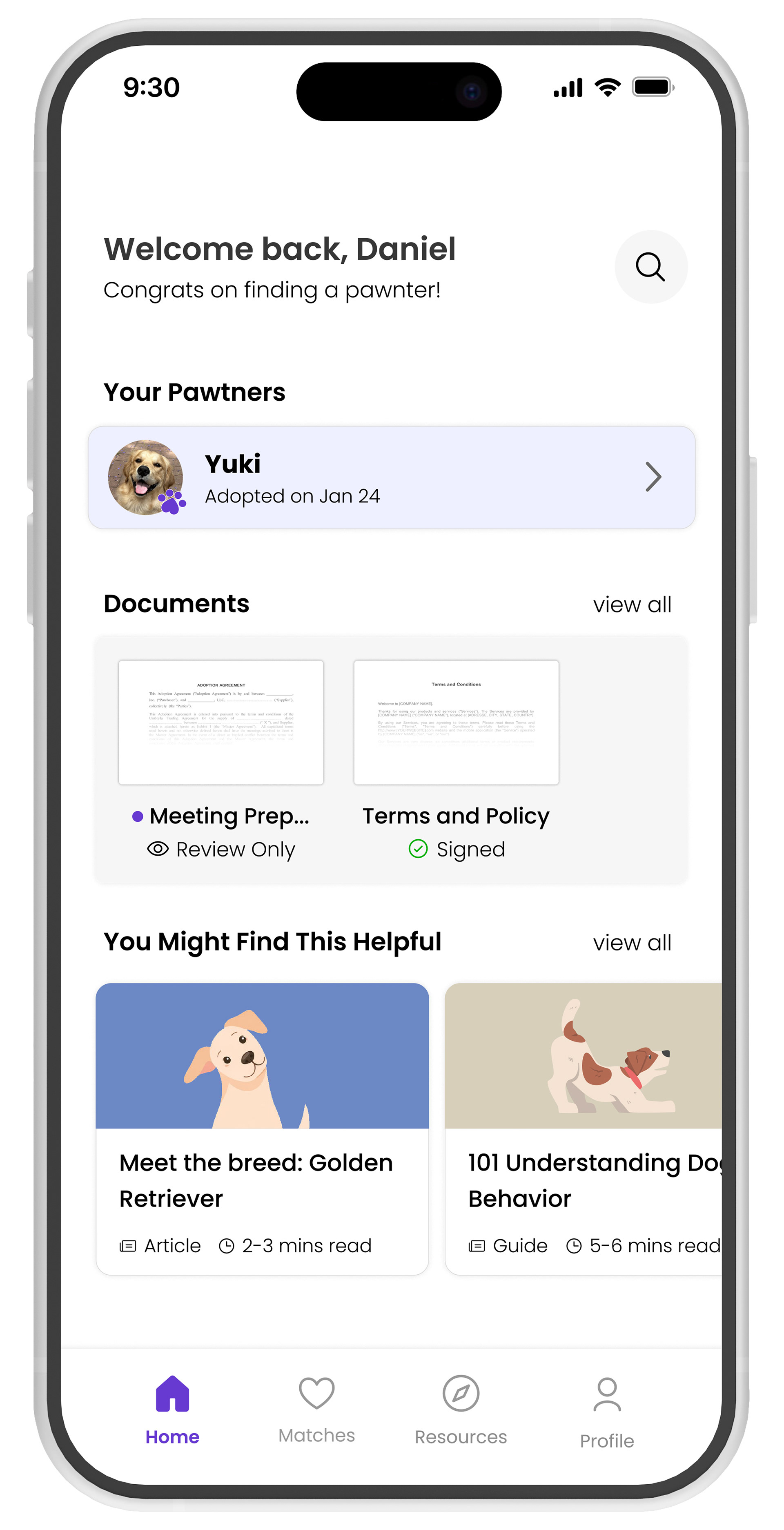
Adoption Journey
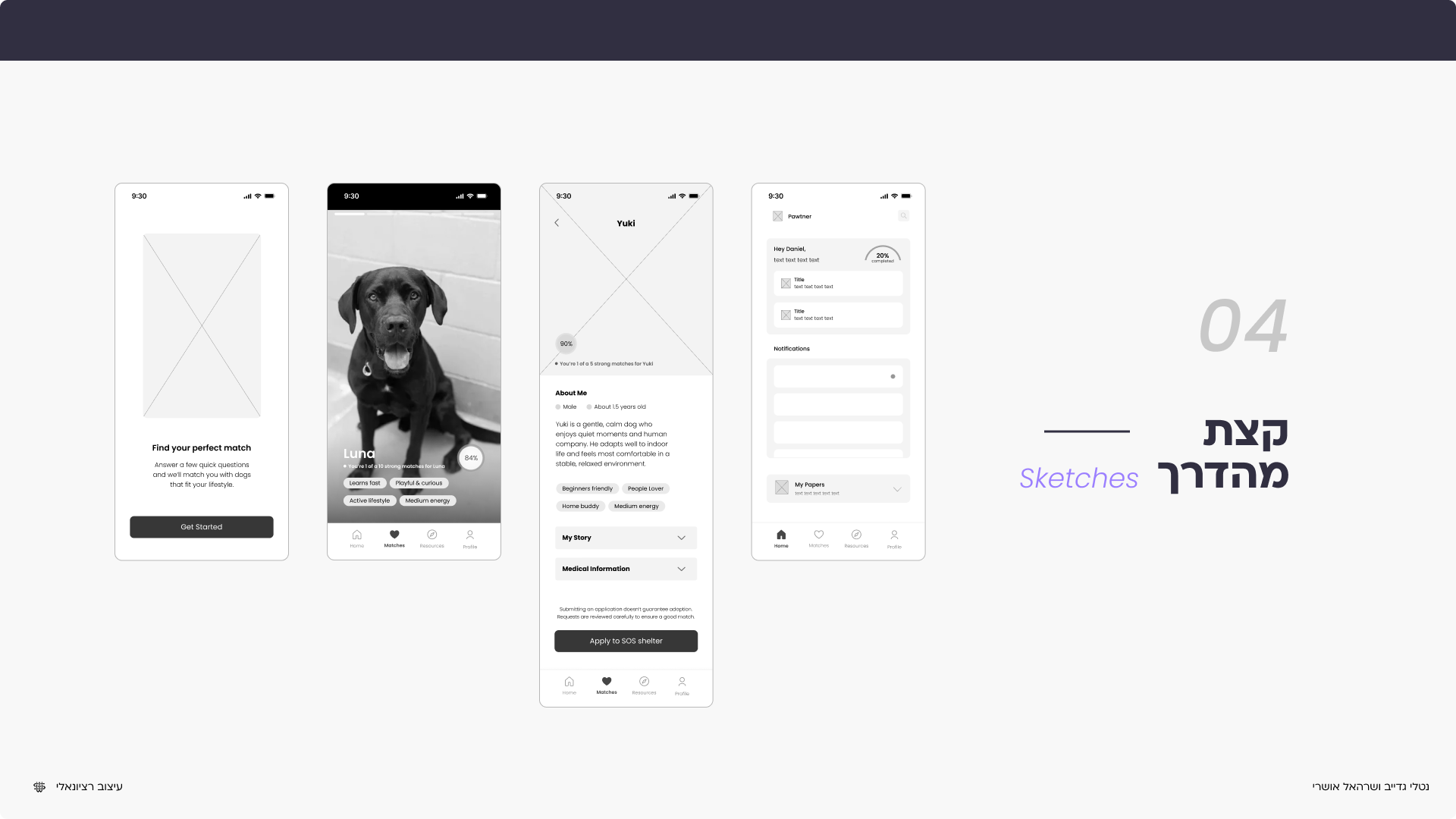
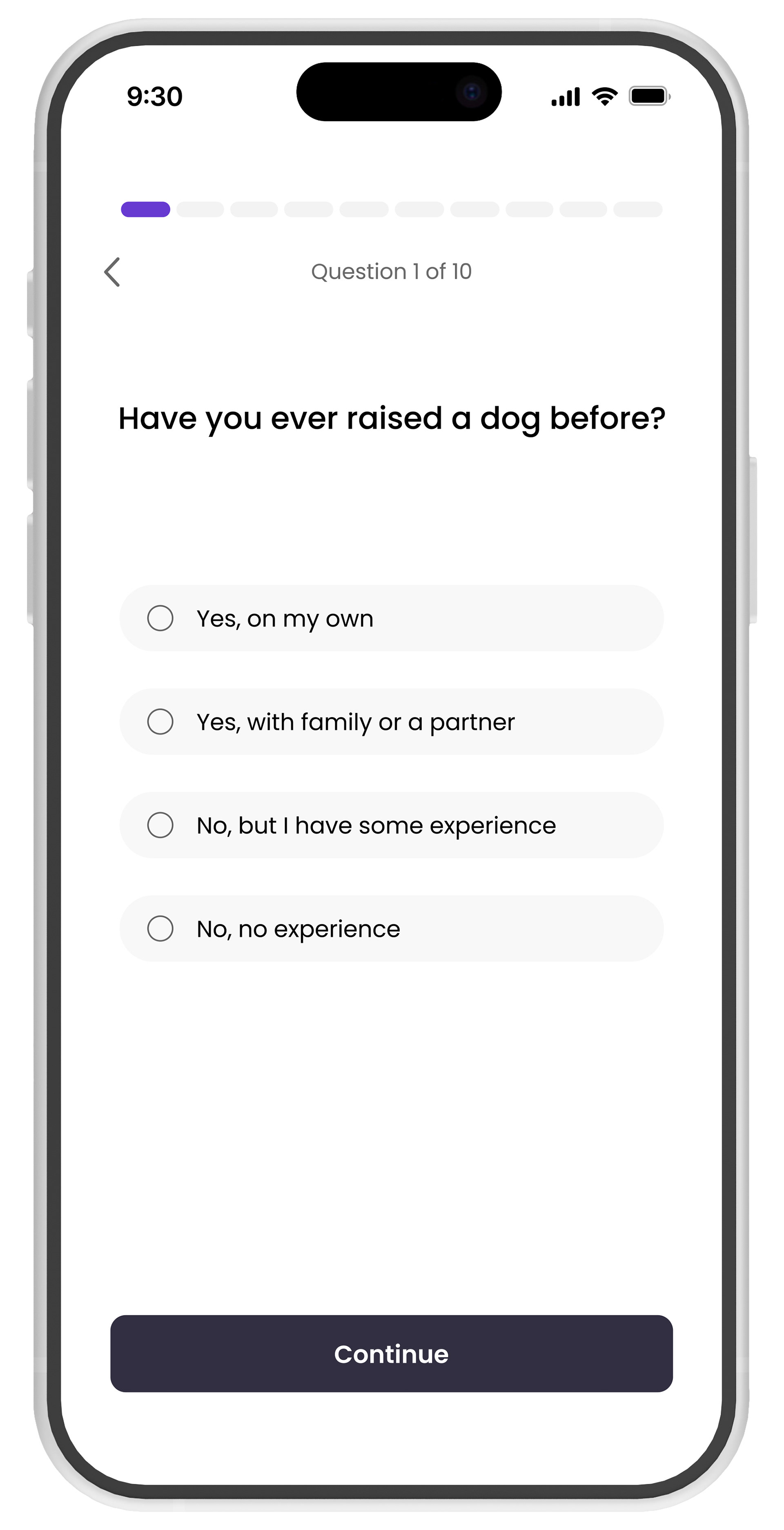
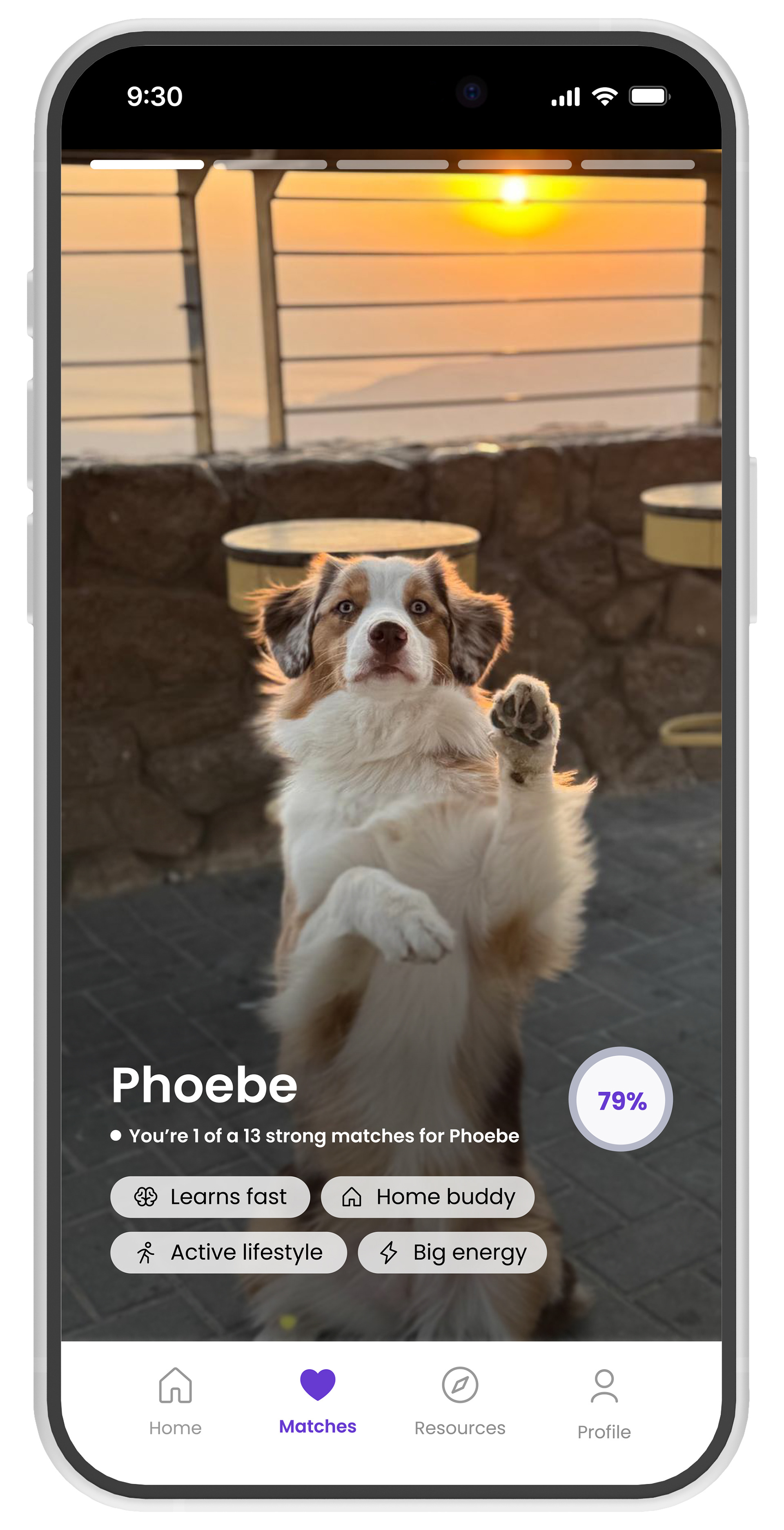
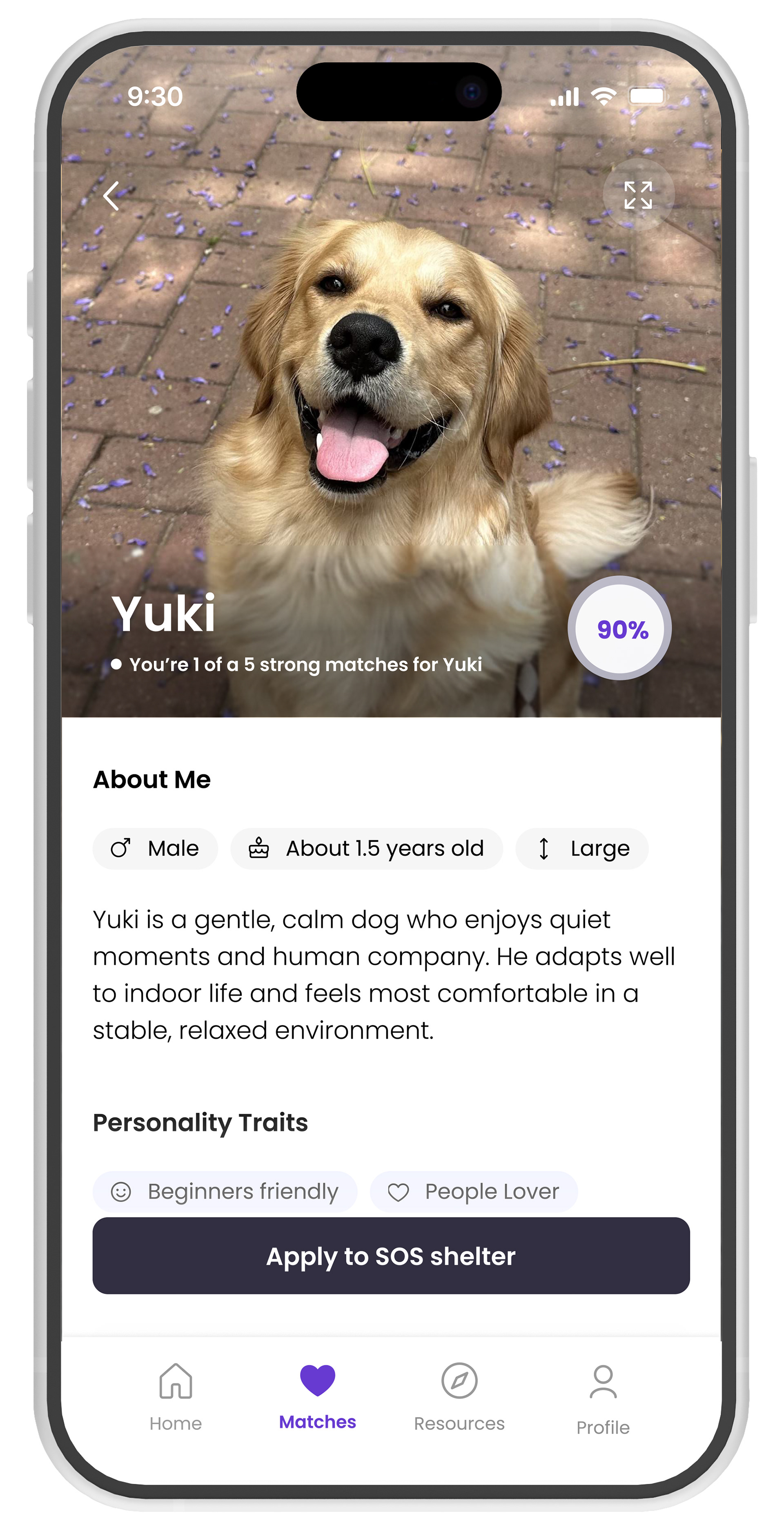
A short questionnaire builds understanding, leads to better matches, followed by applying ,communicating with the shelter, and completing the adoption.
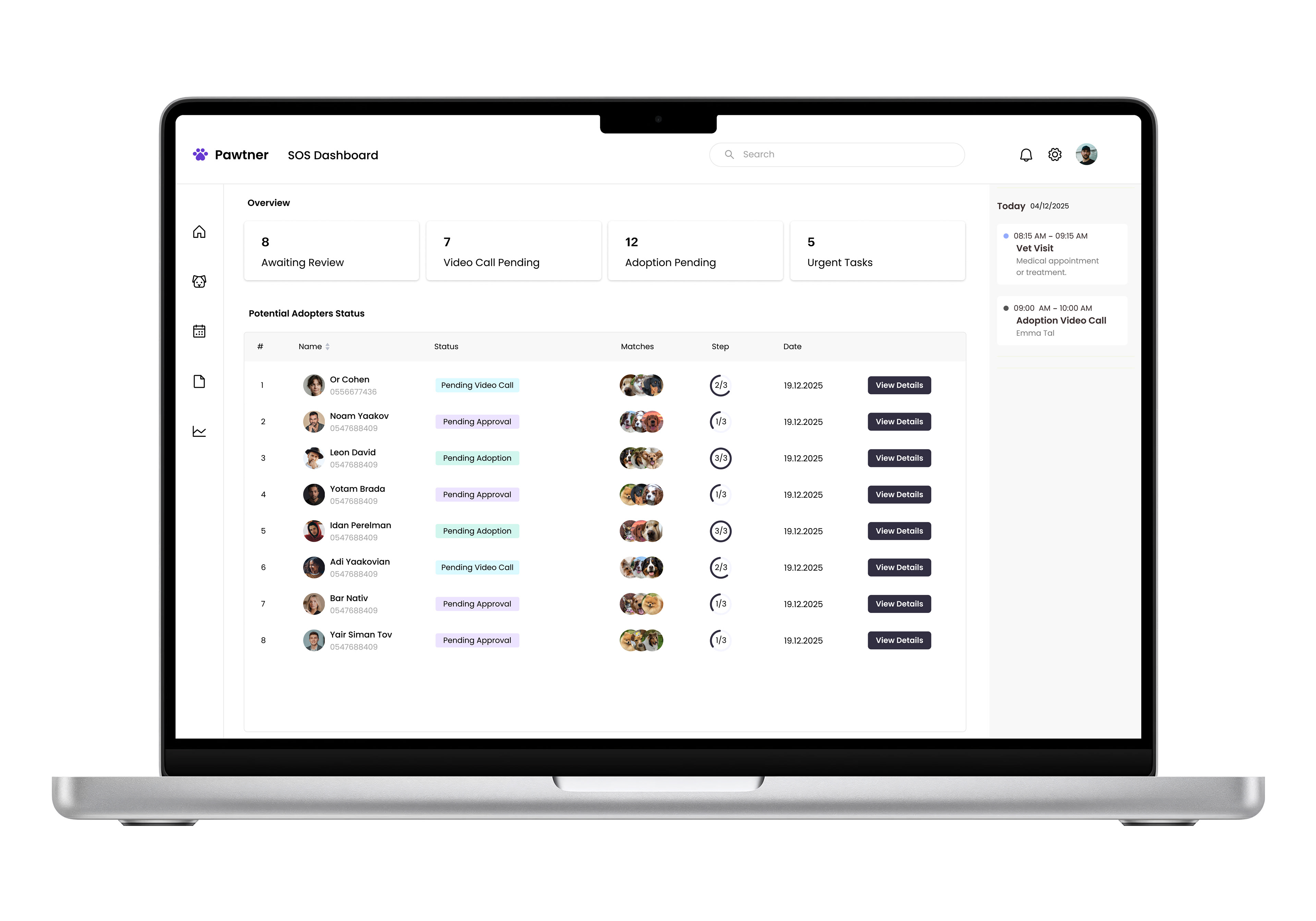
Shelter Workflow
The shelter receives the request, reviews it, matches the adopter with a suitable dog, and makes the final decision.
the Process
[ 1 ] Understanding the Problem
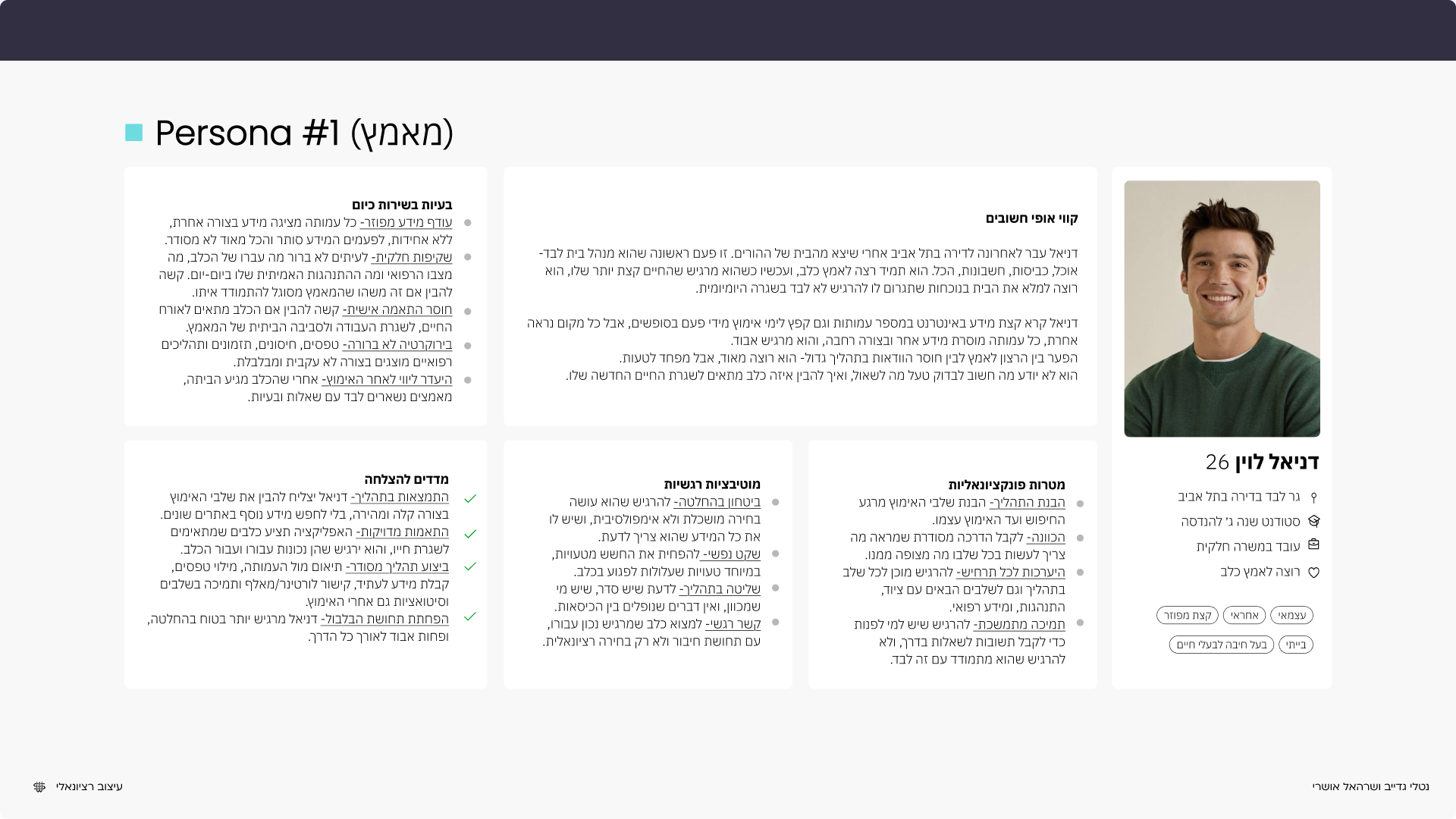
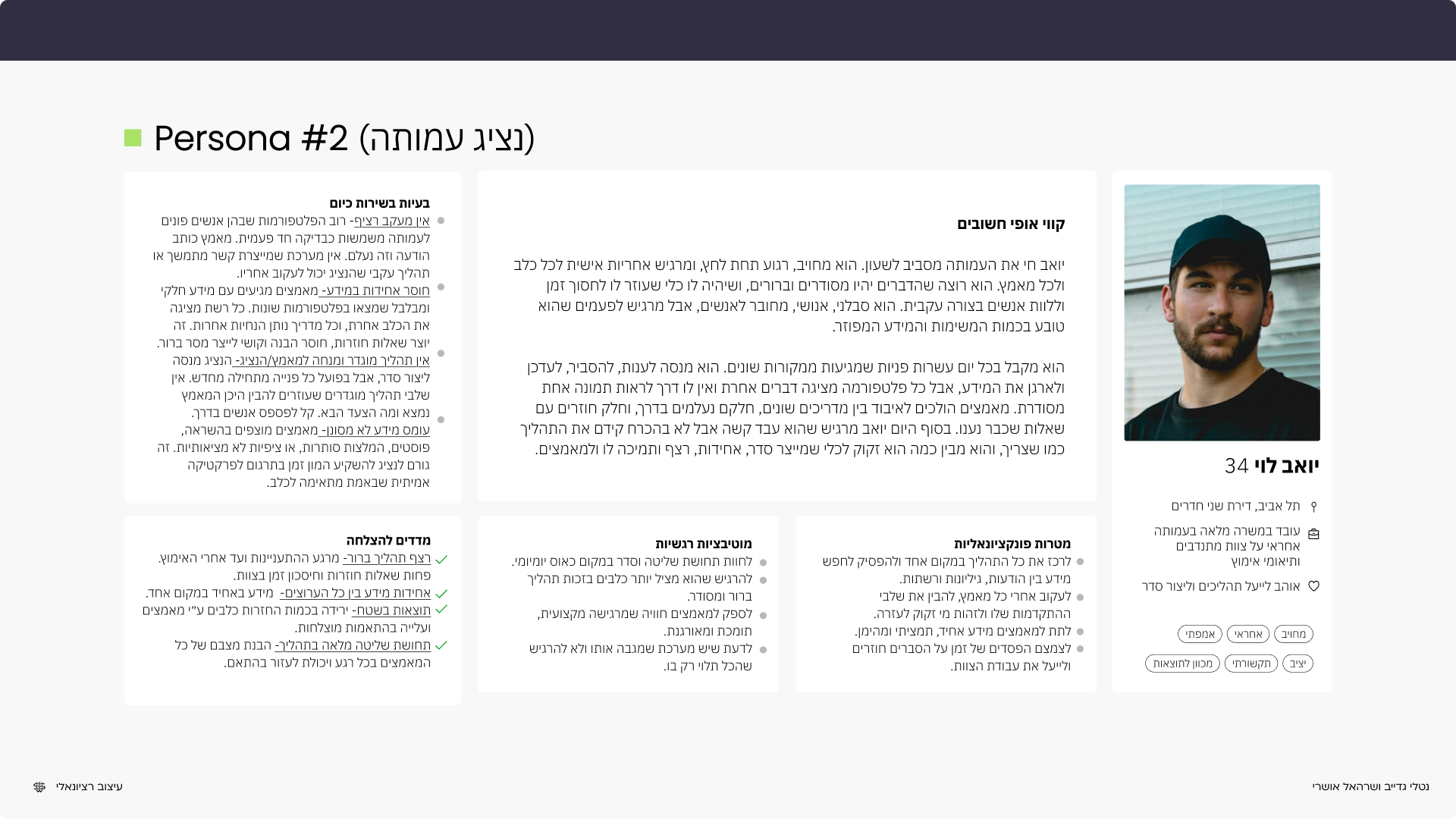
The project began by examining the dog adoption journey from both the adopter and shelter perspectives, focusing on points of friction, uncertainty, and misalignment.
[ 2 ] Defining the core challenges
Key issues included a fragmented process, lack of clarity around progress, difficulty in assessing real compatibility, and inefficient communication between adopters and shelters.
Key issues included a fragmented process, lack of clarity around progress, difficulty in assessing real compatibility, and inefficient communication between adopters and shelters.
[ 3 ] Framing opportunity areas
“How Might We” questions focused on creating a clearer journey, improving decision-making, and supporting better coordination between both sides.
“How Might We” questions focused on creating a clearer journey, improving decision-making, and supporting better coordination between both sides.
[ 4 ] Translating insights into features
The system introduces a structured flow, better matching, real-time status tracking, and centralized communication to reduce uncertainty and improve the overall experience.
The system introduces a structured flow, better matching, real-time status tracking, and centralized communication to reduce uncertainty and improve the overall experience.
[ 5 ] Outcome
A guided adoption system that connects adopters and shelters through a clear, shared process- supporting more confident decisions and better long-term matches.
A guided adoption system that connects adopters and shelters through a clear, shared process- supporting more confident decisions and better long-term matches.